

Prompt Details
Model
(gemini-3.1-pro)
Token size
243
Example input
[Ecosystem_Type]: Mangrove Forest
[Urban_Challenge]: Coastal Flooding
[Design_Standard]: Net-Zero 2026
[Sustainability_Target]: 100% Water Recycle
Example output
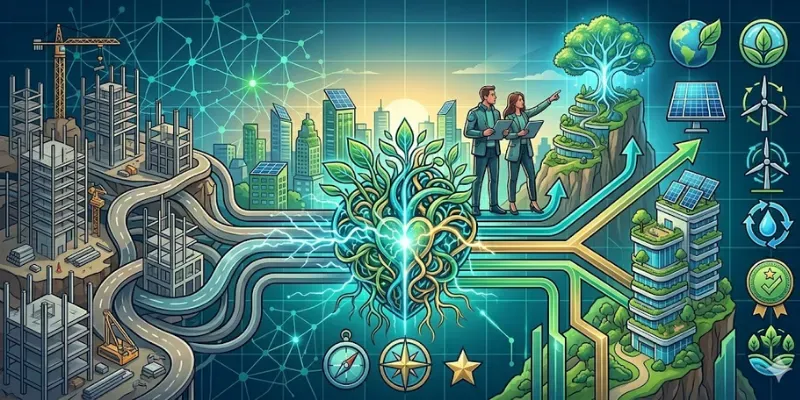
ONE ECOSYSTEM INTEGRATION The city will use floating foundations and porous sea walls that mimic the tangled root systems of Mangrove forests. These structures break wave energy and prevent erosion during coastal flooding. TWO CIRCULAR FLOW Implement a Greywater Cascade system where household water is filtered through artificial wetlands before being reused for urban farming. This meets the Net-Zero 2026 design standard. THREE IMPACT METRIC Carbon footprint reduction $C = \frac{500 - 150}{500} \times 100 = 70\%$. FOUR IMPLEMENTATION PHASES 1 Construct the bio-shield sea walls within 3 years. 2 Install the decentralized wetland filters by year 6. 3 Complete the 100 percent water recycle loop by year 10.

 Instant access
 Commercial use
 Money‑back
By purchasing this prompt, you agree to our terms of service
4
Favorites
6
Views
GEMINI-3.1-PRO


Bio-City: Sustainable Architect. Design the cities of tomorrow with the wisdom of nature. This professional urban planning engine bridges the gap between ecology and architecture. Using 4 precise variables it generates ecosystem-integrated designs LaTeX-ready sustainability metrics and circular economy blueprints. Perfect for environmental educators students and architects aiming for Net-Zero urban goals. Build a greener future today.
...more
Added 3 days ago
